
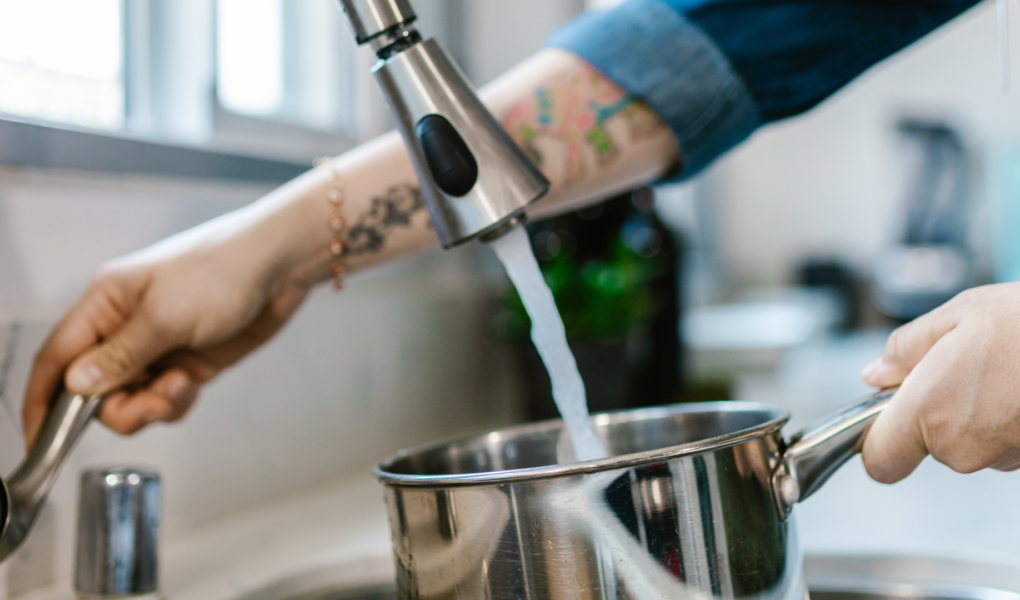
If you’re hoping to reduce your water utility bills, there are a few simple and straightforward strategies you can employ to do just that.
Here Are Some Ideas That Might Help:
1. Install low-flow toilets and showerheads.
Low-flow toilets and showerheads can dramatically decrease water use in your household, saving both your utility bills as well as helping conserve natural resources. Toilets typically use up to 50% less per flush, while showerheads typically consume 20-30% less. This helps both your utility bills and the environment – helping both save precious natural resources!
2. Swap out inefficient appliances for more energy-saving ones.
Appliances such as washing machines, dishwashers and other water-using devices can be replaced with more energy- and water-efficient Energy Star-certified models that use fewer resources in terms of both water usage and energy usage. Furthermore, Energy Star-certified models tend to last longer than their counterparts, saving additional money over time.
3. Repair any leaks.
Leaks of any size can add up quickly in your water bill if left unchecked, so regularly inspect pipes around your house for signs of dripping or pooling water to detect any potential problems and make repairs as soon as possible to save yourself from spending money on money that’s just going down the drain.
4. Install a rain barrel or cistern.
Water tanks nsw and cisterns are fantastic ways to capture rainwater that can then be used for various tasks, like watering plants, flushing toilets, or washing cars – without using regular tap water! Installing one of these systems also reduces runoff from your property while taking advantage of free natural resources!

5. Take shorter showers.
Showers tend to be one of the biggest users of water in your home, so cutting back your shower time can significantly lower utility bills. Try setting a timer and restricting showers to five minutes or less whenever possible.
6. Collect greywater from sinks.
Greywater refers to wastewater collected from sinks, bathtubs, showers, and other non-toilet sources in your house – it’s safe for use for tasks like watering plants or flushing toilets (provided it does not come into contact with food products). Installing a greywater collection system in your home is an ideal way to reuse this water while saving even more money!
7. Install an irrigation system adapted to local weather patterns.
An irrigation system can help keep your lawn and garden watered based on local weather reports, eliminating unnecessary overwatering (and excessive water bills) while still keeping plants healthy.
8. Retrieve condensate from air conditioning systems.
Air conditioning units produce condensation that’s usually wasted down the drain, but you could reuse this for other things, such as watering plants or flushing toilets — saving money on your monthly water bills!
9. Switch to lower-flow laundry machines.
High-efficiency models consume around 20 gallons or less for every load, saving up to 50% in water usage! Regular washing machines use up to 40 gallons, but high-efficiency models only need 20 or less!
10. Acquaint yourself and your family with water conservation measures.
Saving on water bills doesn’t just involve installing new appliances or collecting greywater; it requires changing how you think about how much water is consumed daily. Talk to your family members and friends about conserving water so everyone can do their part to preserve natural resources while saving money!
By following these simple tips, you can reduce your water utility bills significantly while doing your part to protect natural resources. So why wait – start saving today!

