
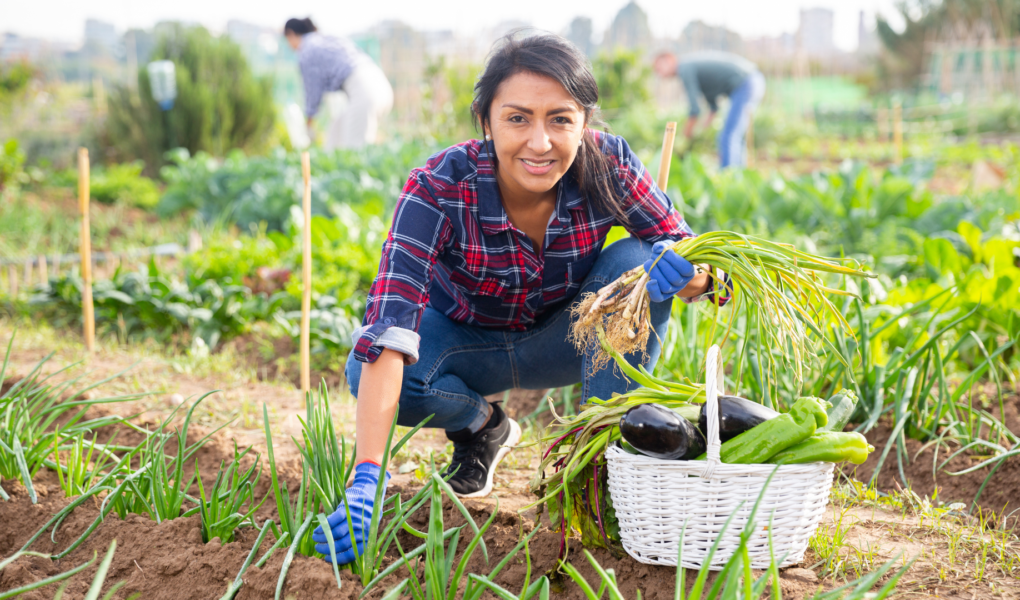
Smallholdings are often defined as the perfect middle ground between allotment and farm. They’re often run by hobbyists who hope to enjoy some of the work, effort and harvest involved with farm living, but without the full-scale operation or industrial necessities of that kind of enterprise.
This way, smallholdings are often run for self-sufficiency, environmental care and as a side hobby rather than for profit. Of course, you may break even after all the work is done, but smallholdings, generally, are taken part in for the love of the effort, for the lifestyle it affords, and to make use of the land surrounding you.
If you’ve been thinking of running your own smallholding, (and you’re starting small, ironically enough), you may wish to consider some of the following advice. We hope this can help you avoid that sense of overwhelming worry, and instead get started with a focused, hopeful approach:
Consider Your Water Access
It’s essential to consider good irrigation to keep the land healthy or to help you grow crops where appropriate. In some cases, this might be as simple as fitting a sprinkler system, but you can also find benefits in installing a poly tank for collecting and using rainwater as appropriate. This way, you can make sure all provisions are helpful. On top of this, implementing hosepipes so you can adequately get mains access to water your farm animals is key. Also, ensure that drip feeder troughs are available so even the thirstiest farm animals can share access to secure water, without tipping over its availability for the day. These are the little lessons you learn as someone operating a smallholding, and you’ll come to realize how valuable they are.
Learn All About A Particular Farm Animal
It’s a nice idea that your smallholding will be replete with many animals and crops, but the truth is that keeping a particular species of farm animal is a caregiving task all by itself. You must learn the ins and outs of keeping them. For instance, learning to help sheep with lambing difficulties, knowing what the registration requirements, different breeds, and vaccines are, and how to look out for common health issues are all essential provisions that you should understand completely before bringing in another farm animal to your property. On top of this, starting small, such as with a chicken coop, can be the best place for beginners.
Consider Your Local Regulations & Restrictions
Depending on the kind of smallholding you run, you may be under specific legislation for how you can operate and what restrictions are placed on you. This may include size limits such as the amount of acreage you can use for your animals. It may include noise and odor provisions, as well as land management. Moreover, permits for construction on your property, and health and safety regulations to prevent diseases are essential. Look to your local farming authority to make certain you’re aware of the measures you’re operating under, as in some cases you may need to accept semi-regular inspections to ensure you’re operating up to code.
With this advice, you should be able to run your own smallholding in the best possible way.


