
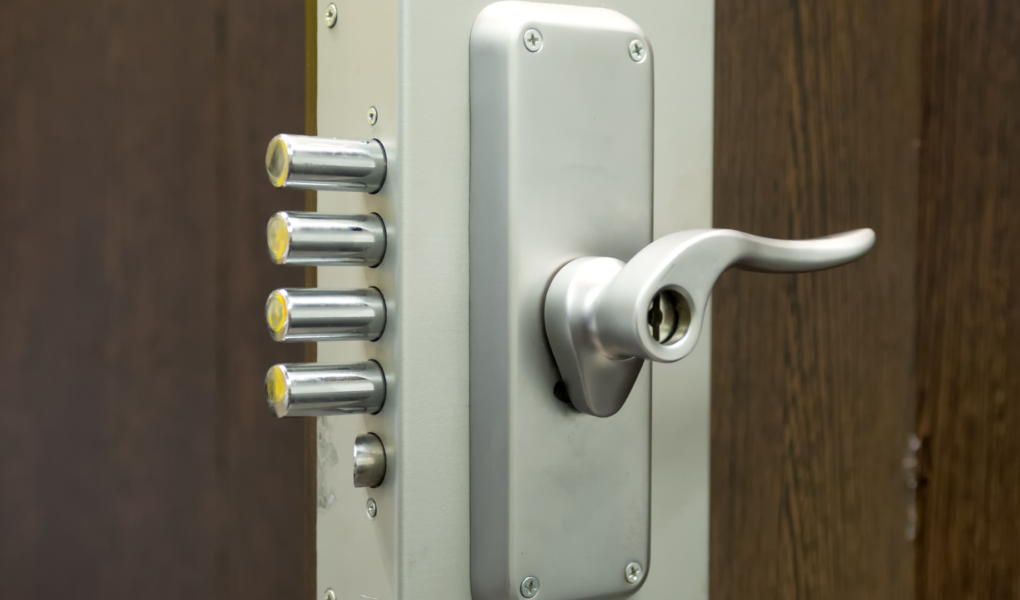
No matter what business you run – a factory, a warehouse, a creative space, a cafe or a salon, you have possessions and people you wish to protect. In some cases, this need for security can override everything else, such as when you’re storing sensitive, high-value or hazardous materials.
It’s important to consider the best way to secure these premises, then, because, without constant vigilance and worthwhile systems, no building is 100% secure. After all, we’ve seen fortified banks successfully targeted. Thankfully, you’re unlikely to hold the same value meaning that the caliber of trespasser or thief entering your property may not be as cinematic as this, yet still, security should be a main priority of yours.
While thinking of specific fortifications such as the best restricted keying systems is essential, it’s also important to consider the cohesive and top-down approach you’ll take to security, considering the best way to implement it. In this post, then, we’ll discuss how you can achieve that and more. Without further ado, please consider:
Physical Security
Physical security is essential to get right. With appropriate locking systems, keycard access gateways, and even booths that only let certain cars into your parking space, you can approve and vet everyone who comes in as appropriate. Physical security also means securing high-value items in safes or making certain that only approved personnel have access to specific areas. In that way, you’ll be able to make sure your premises stays safe. While the idea of a thief wearing striped pajamas and a large bag over their shoulder has never been quite the truth, the threats to your physical security aren’t. Plan ahead, and look for weaknesses that trespassers could exploit.

Social Security
Social security is an often under-discussed issue, but it’s essential to implement. Vetting entrants as they come into your business, using a keycard or badge system, and ensuring everyone has to sign in before getting access is essential. This way, those with confidence and an official-looking pass won’t be able to walk through into the backspace of your premises, which, unfortunately, can otherwise be the case. Social security also means training staff to be mindful of people they don’t recognize, especially in restricted areas, and to know the process for reporting them to security for a quick response.
Intelligence Security
Ultimately, what people know about your brand is information they can exploit. This means that floor plans must be secured, as must essential exit ways or fire doors that must be closed at all times unless in use. Intelligence also benefits you of course, which is why CCTV in your public areas is so important, as is essential security like a gateway booth that accepts or denies vehicles depending on their intent. Intelligence can also involve planning ahead of time, such as hiring security and chaperones for any events you run to avoid the public from accessing restricted areas or tripping alarms.
With this advice, you’re sure to implement the three pillars of premises security. We hope you can remain safe, secure and without downtime as you build your business.


