

Accidents and emergencies on the road can be sudden and stressful events. Whether you’re an experienced driver or a beginner, you must be prepared and equipped with the knowledge to handle these situations effectively.
In this comprehensive guide, we will provide you with essential tips and advice on staying prepared and dealing with car accidents and emergencies.
Let’s explore each step in detail, empowering you to stay prepared and respond effectively in challenging situations.
Prioritize Safety and Gather Information
In the aftermath of a car accident, it is essential to prioritize safety for yourself and others involved. Follow these key steps to ensure everyone’s well-being and gather important Information:
a) Ensure Personal Safety
If you or anyone involved in the accident has sustained injuries, immediately call for medical assistance. If possible, move to a safe location away from traffic to prevent further harm.
b) Check for Injuries
Check yourself and others involved for any injuries. If anyone is injured, call emergency services immediately for medical assistance.
c) Contact Authorities
Notify the police about the accident, even if it seems minor. They can create an official accident report, which can be crucial for insurance claims and legal purposes.
d) Gather Information
Exchange contact details with the other party involved, including names, phone numbers, and insurance information. Additionally, record the accident details such as the location, time, weather conditions, and witness accounts.
e) Avoid Admitting Fault
Refrain from admitting fault or discussing the details of the accident with the other party. Stick to the facts when speaking to the police, insurance companies, or legal professionals.
Document the Accident Scene
To increase the chances of a successful insurance claim or legal process, thorough documentation is vital. Follow these steps:
a) Take Photographs
Use your smartphone or camera to capture the accident scene from various angles. Include the vehicle damages, visible injuries, road conditions, and traffic signs. These visual records will serve as valuable evidence.
b) Write Down Notes
While the accident details are fresh in your memory, write down a detailed account of the incident. Include Information like the sequence of events, your actions, and any statements from the other party involved.
c) Obtain Witness Statements
If witnesses are present, politely ask for their contact information and request a brief statement regarding what they saw. These statements can provide crucial support for your case if needed.
Seek Legal Assistance
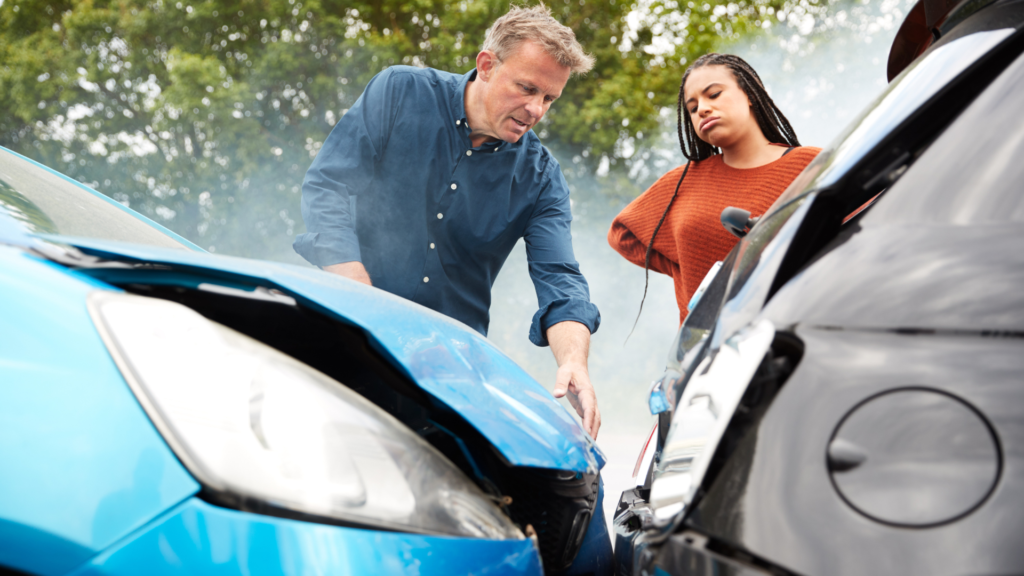
Car accidents and emergencies can lead to complex legal situations that require the expertise of a successful accident lawyer. While many incidents can be resolved through insurance claims and cooperation, there are instances where legal assistance becomes necessary to protect your rights and navigate the complexities of the legal system. When seeking legal assistance, keep the following points in mind:
a) Research and Evaluate Lawyers
Take the time to research and find a reputable accident lawyer with experience in handling cases similar to yours. Check their track record, client reviews, and ensure they specialize in personal injury or car accident cases.
b) Initial Consultation
Schedule an initial consultation with a potential lawyer to discuss the details of your case. This meeting will help you determine if they are the right fit for representing your interests.
c) Communication and Collaboration
Maintain open lines of communication with your chosen lawyer. Provide them with all relevant documentation, photographs, and witness statements to strengthen your case. Collaborate closely with them to ensure your rights are protected.
Contact Your Insurance Company
Promptly notify your insurance company about the accident, even if you believe you are not at fault. Provide them with accurate and honest Information, as any inconsistencies may complicate the claims process. Follow these tips when communicating with your insurer:
a) Be Thorough and Clear
Be thorough and transparent when providing a concise yet detailed description of the accident, including relevant Information about damages and injuries sustained. Avoid exaggeration and ensure all essential details are included for an accurate account of the incident.
b) Follow the Instructions
Your insurance company will guide you through the claim process. Adhere to their instructions regarding submitting documents, obtaining repair estimates, or seeking medical evaluations.
c) Understand Your Coverage
Familiarize yourself with your insurance policy’s terms and conditions. Knowing the coverage limits, deductibles, and applicable exclusions will help you navigate the claims process smoothly.
Conclusion
Being prepared for car accidents and emergencies is essential for every driver. You can navigate these challenging situations effectively by prioritizing safety and following these above-mentioned points.
Remember to stay calm, follow proper procedures, and prioritize the well-being of all parties involved.


