

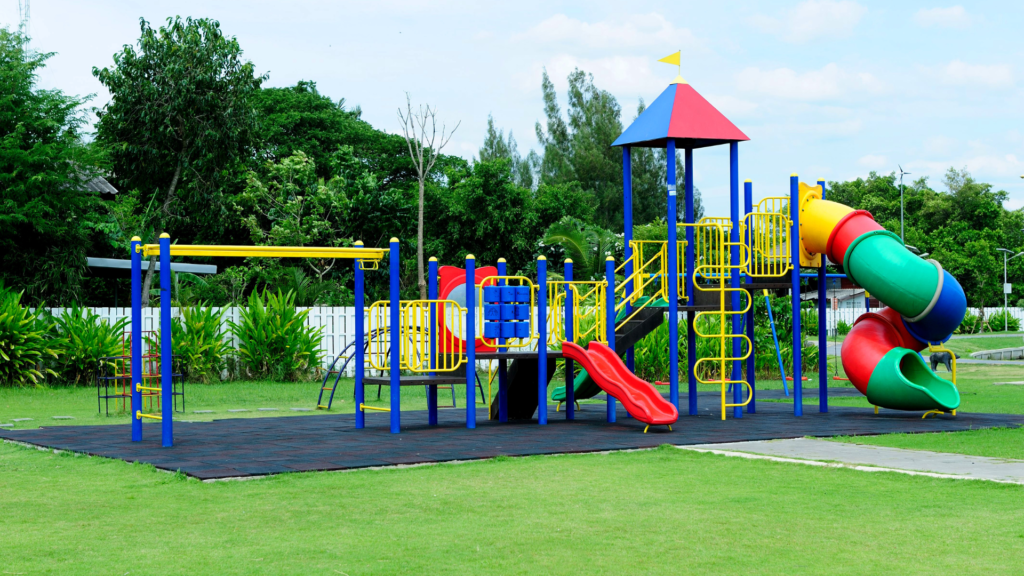
Playgrounds are a haven for children, a space where they can unleash their boundless energy, develop social skills, and indulge in the pure joy of play. Central to any playground’s appeal is its collection of outdoor playground equipment, carefully designed to engage, challenge, and stimulate young minds and bodies. From swings and slides to climbing structures and beyond, playground equipment encompasses a vast array of possibilities, each catering to different ages, interests, and developmental needs. In this blog, we embark on an exciting journey to explore the diverse world of playground equipment and its significance in promoting child development.
The Evolution of Playground Equipment:
Playground equipment has come a long way since its inception in the late 19th century. Initially, simple swings and slides dominated play areas, but over time, advancements in design, materials, and safety standards have led to a remarkable expansion of options. Today, playgrounds boast an assortment of structures, each designed to foster specific skills and encourage imaginative play.
The Power of Physical Play:
Physical play forms the foundation of many playground activities, providing children with opportunities to develop gross motor skills, coordination, balance, and strength. Traditional equipment like swings and slides remain perennial favourites, offering a thrill that never fails to excite children. Swinging stimulates a child’s vestibular system and enhances spatial awareness, while sliding promotes risk assessment and motor planning. Modern adaptations, such as tire swings, nest swings, and inclusive swings, cater to diverse needs and ensure that every child can experience the joy of swinging.
Climbing Adventures:
Climbing structures are a key feature of playgrounds, challenging children both physically and mentally. Whether it’s a simple ladder or an elaborate rock climbing wall, climbing equipment enhances strength, flexibility, problem-solving skills, and spatial awareness. As children conquer climbing challenges, they develop self-confidence, persistence, and a sense of achievement. Innovative structures like ropes courses and net climbers provide exciting alternatives to traditional climbers, encouraging imaginative play and cooperative interaction.
Imaginative and Creative Play:
Playground equipment goes beyond physical activities, providing opportunities for imaginative and creative play. Playhouses, forts, and sandboxes offer spaces where children can unleash their creativity, engaging in role play, storytelling, and cooperative games. These structures nurture social skills, empathy, and cognitive development as children collaborate, negotiate, and explore new roles and scenarios. This can also help children’s social skills and help them to learn to communicate better with other people.
Inclusive Play for All:
In recent years, there has been a growing emphasis on inclusive play, ensuring that children of all abilities can fully participate in playground activities. Inclusive equipment features wheelchair-accessible ramps, swings with supportive seating, sensory panels, and tactile elements. These adaptations create an inclusive environment where children with disabilities can play alongside their peers, fostering empathy, understanding, and a sense of belonging.
The Rise of Nature-Based Play:
In response to a growing appreciation for the benefits of nature, playgrounds have embraced nature-based play equipment. Natural materials like logs, rocks, and tree stumps provide a sensory-rich environment, allowing children to explore textures, engage with the natural world, and develop an ecological awareness. Features like tree houses, water play areas, and gardens stimulate imagination, curiosity, and an affinity for the environment. This is good for children more than ever as they are growing up around a lot more technology and are constantly on phones and ipads, creating a place where they can experience new thighs and explore the outside will be very beneficial for well being and growth.
The Importance of Safety:
While playground equipment offers immense opportunities for growth and development, safety remains paramount. Manufacturers and designers adhere to stringent safety standards, ensuring that equipment is sturdy, well-maintained, and free from hazards. Regular inspections, soft surfacing, age-appropriate designs, and clear signage contribute to safe play environments that minimise the risk of accidents and injuries. This is very important as children are more likely to fall over or hurt themselves at a playground, so it is important that they have softer landing and safe equipment.
Conclusion:
Exploring the diverse world of playground equipment reveals the remarkable impact it has on children’s physical, social, cognitive, and emotional development. From traditional swings and slides to innovative climbing structures, imaginative play areas, and inclusive adaptations, playground equipment offers a multitude of opportunities for children to learn, grow, and have fun.Physical play on swings, slides, and climbing structures fosters motor skills, coordination, strength, and spatial awareness. The thrill of swinging and the challenge of climbing encourage children to push their boundaries, build confidence, and develop problem-solving skills. Moreover, playground equipment sparks imaginative and creative play, providing spaces for children to engage in role play, storytelling, and cooperative games. Playhouses, forts, sandboxes, and nature-based elements invite children to explore their imagination, collaborate with others, and immerse themselves in the joy of make-believe. Inclusive play equipment ensures that every child, regardless of ability, can fully participate in playground activities. By creating inclusive environments, playgrounds promote empathy, understanding, and a sense of belonging among children of all backgrounds and abilities. Furthermore, the rise of nature-based play equipment brings children closer to the natural world, fostering an appreciation for the environment, stimulating curiosity, and nurturing a sense of ecological responsibility.


