

With the current cost of living crisis and energy bills soaring in the coming months, you may be wondering how you can save some money. Luckily, there are many ways that you can keep costs down, so let’s start at home.
Try second-hand
Buying second-hand or used items is a great way to get essentials without the hefty price tag. If you need a new car, you could look to buy a used car which can save you money and reduce your carbon footprint, making it a win-win! Many used cars still come with a warranty so take your time researching dealerships to find the right deal for you.
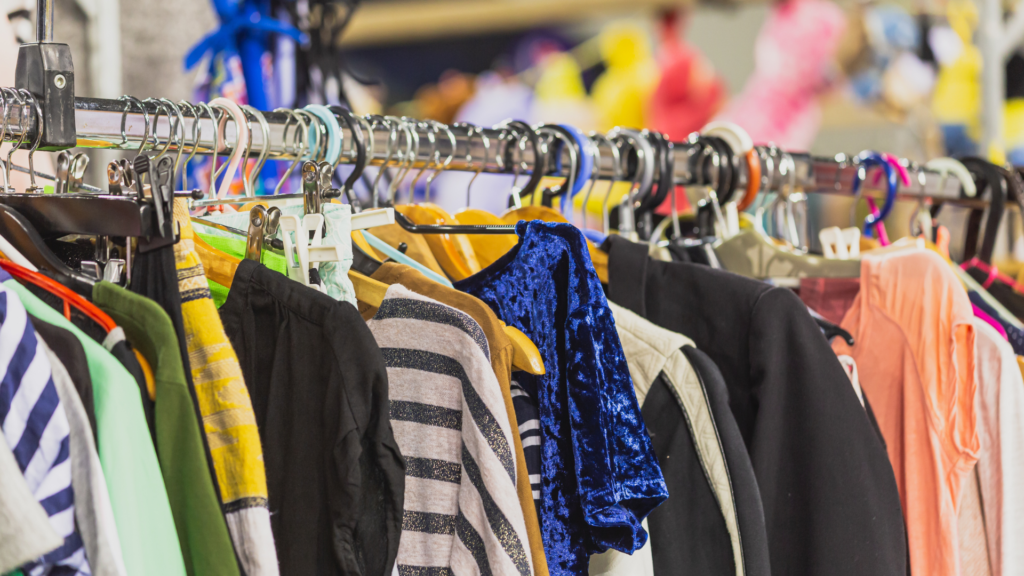
If you want some new clothes, check out your local charity shops where you’re sure to find something that you like or, if you’re looking to bag some more specific items for less, try Depop or eBay. You could also look to upcycle clothes that you already have but don’t wear anymore. Get crafty with a needle and thread to fix clothes that are broken or get some clothing dye and give your jeans a new lease of life!
Make your home more energy efficient
With energy bills rising by 80% as of October, making your home more energy efficient is a great way to save money. While green energy such as solar panels and ground source heat pumps are a great way to save money, they can be expensive investments outright so you may be looking to start small.
For example, lowering your thermostat by one degree can save you around 10% on your energy bill. You could also switch to LED light bulbs, which save around £55 per year, and turn off radiators in rooms that you aren’t in which uses less energy.

Waste Less
When it comes to food waste, the UK has a significant problem. Each year in the UK alone, we throw away around 9.5 million tonnes of food despite over 8.4 million people being in food poverty. An average UK family wastes also £500 on food that is binned, so only buying food that you know will be eaten can you save a substantial amount of money.
Meal planning is a great way to ensure that you are only buying food that you will eat. If you pre-plan your weekly meals before you go shopping you are much less likely to buy groceries that you will end up throwing away. You can also cook larger meals in bulk and freeze any leftovers so that you can enjoy them at a later date rather than disposing of them.
Typically, foods have around 1/3 of their shelf life remaining when they reach their sell-by date in shops, so when looking for bargains in the reduced section don’t worry! If you find food close to its use-by date, consider freezing it to use later on.


