

If you read yesterday’s post you’ll know that I was following it up with a specific post about stockpiling on a budget. Whether you came here specifically to stockpiling tips due to the current climate or because you want to make your money go further at home like we do, I hope some of these tips will help you. Please don’t overbuy or panic buy though, leave enough for other people and respect the special hours put in place for the vulnerable. There will still be food on the shelves if we are all sensible.
Buy What You Will Actually Eat
Firstly, it’s worth noting that whatever article you read, there is no point in buying food that you ultimately won’t eat. There is no point in bulk buying 100 packets of freeze dried emergency meals if none of you will eat what’s inside. You can live on things that are available to buy and stockpile from the normal supermarket and don’t think it’s going to cost you an absolute fortune either. We’re also being told that there will be enough food to go round so stockpiling isn’t needed. We bulk buy throughout the year anyway, as it’s stuff we use and with the unpredictability of my job, the cheaper the cost, the better.
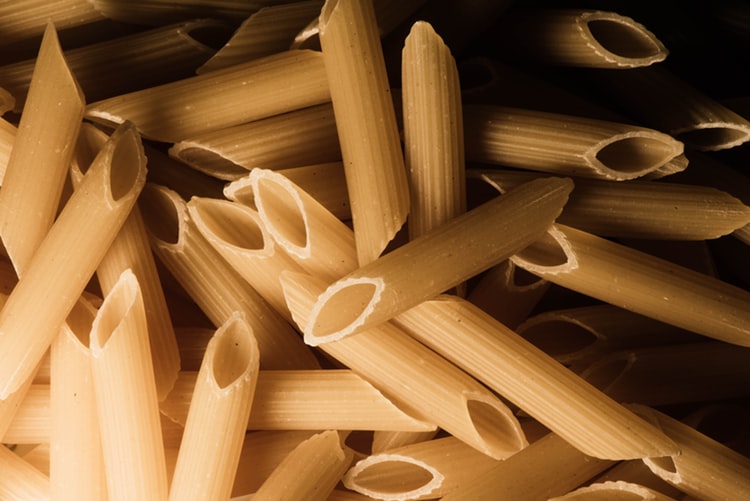
Pasta & Rice
These cupboard staples are your friends. They’re cheap to buy, even cheaper per 100g if you buy huge bags of them. The thing with dried pasta and rice for our family is that it’s not really going to go off and we eat so much of it anyway. Simply buying bigger bags or it, or more of it to keep on top of the kitchen cupboards, it’s not wasteful and if you end up being stuck indoors hungry, you have a quick and filling meal in no time. Our kids eat a lot of pasta and the different between £1 for 1kg and £3 for 5kg is huge.
Use Your Freezer
Stock up your freezer with things you’re happy to eat. From frozen pizzas to bags of frozen vegetables. These are cheap to buy and easy to cook. Those frozen veggies also ensure you have plenty of nutrients. Shop the yellow sticker section for cheap meat to put in the freezer. You don’t have to buy expensive frozen ready meals in order to fill your freezer either. Batch cook your favourite meals and freeze them. Top ideas include lasagne, cottage pie, chilli, casseroles and fish pie.
Long Life
Whilst you can freeze milk, you might not have space for it if you’re filling your chest freezer with food. You might be better buying long life milk instead. This will last for a while in your cupboards, unopened. The same for long life juice. Whilst it’s not the same as fresh juice, it’s still tasty and full of goodness.
A ‘Can’ Do Attitude
You can rely on cans of food for an easy meal, when you need it. Tins of beans, spaghetti, tuna, meat, vegetables, fruit. Stock up that shelf in the garage with plenty of cans. Tinned fruit provides vitamins should you not be able to get out of the house to the shops. Tinned food generally lasts for a long time so you should be fine to stock up and use it once the emergency has passed too. Choose the shop’s own-brand rather than more expensive branded tins. They’re probably pretty much the same inside the tin, with a huge price difference which will soon add up.
Grow & Make Your Own
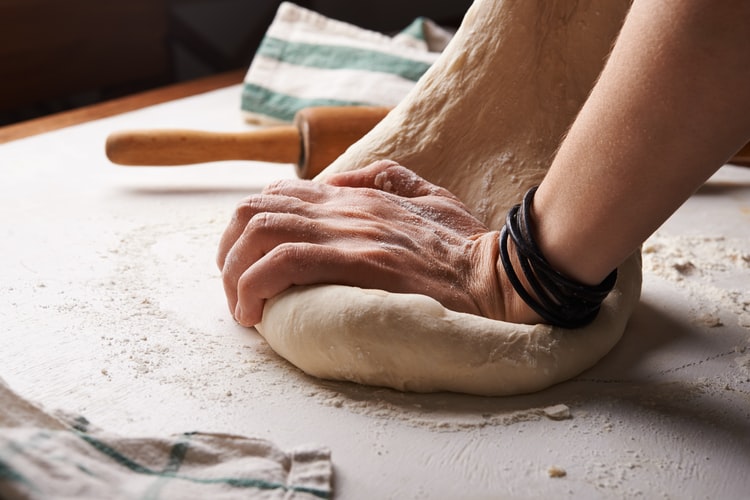
Do you have space in your garden for a vegetable patch? This can be a fantastic addition to your food budget. If there is a shortage of food though, having the ability to go to your own patch of land and harvest some of your home grown vegetables is a big relief. Maybe you have chickens so you have a supply of eggs. Perhaps you simply keep bread making ingredients in the cupboard so you can make your own loaf. This can also help if you have allergies in your home to contend with.
Ensure Variety
You need to ensure you have a variety of food to eat. Appetite fatigue is a real thing, especially with children. They soon get bored of the same foods, regardless of how much they tell you they like chips, so much so that they can eventually become unable to eat in extreme cases. Get creative with those items already in your cupboards.
Other Things You Might Need
Whilst most of us don’t have the space to store loads of bottles of water for ‘just in case’ moments, there are things you can do. We ended up buying a supply of bottle water to store in the home after we ended up in an issue where there was contamination in our tap water a couple of years ago. We also invested in some water purifying tablets. You could then use rainwater from a water butt outside should the worse come to the worse. There are things aside from food that you may need too. In some stockpiling tips they include batteries. Do you have any in your home?
What We Did
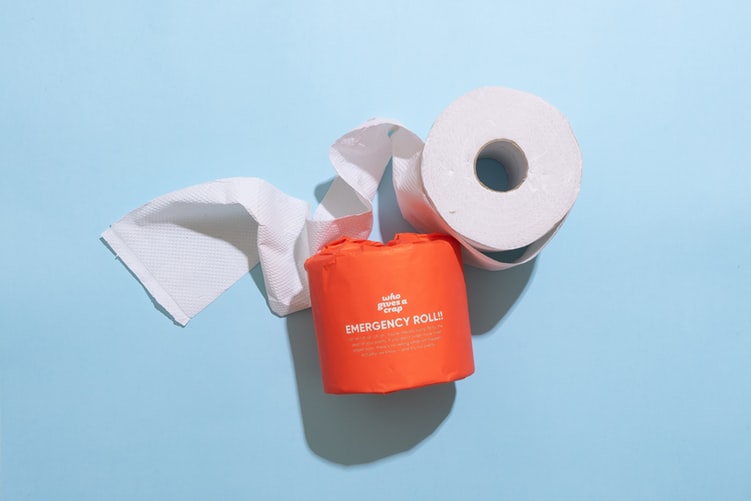
We tend to buy things that we know we’ll eat, when we see it on offer and if we have space to store it. This is especially important to think about if it’s to go in the freezer, do you have room? Just before the Covid emergency kicked off ,I got stopped in the shop when I had six 9-packs of toilet roll, with this random person saying that I must be panic buying. This is how much we use in a month anyway and we tend to buy it monthly as it’s easier. No panic here.
Get Your Rotation On
Many people have started stockpiling throughout the year. They buy when things are on offer and have a dedicated stockpile to live on. If you do this, make sure you have a system in place to rotate your items. If you buy new, put them at the back of the shelf and pull the older ones forward.
As I’ve said, we have the basics in stock, by bulk buying throughout the year so in no way is this a “go out and stockpile everything you possibly could require” post. Think of those neighbours in need who you could share things with. Shop wisely and leave stuff for others. Will you start bulk buying food to save money? Do you already have a stockpile in your spare room or garage? Let me know over on Twitter.


