

Hair transplantation is a cosmetic procedure aimed at restoring hair growth in areas where it is desired. It involves surgically relocating hair follicles from a donor area to the recipient site. This procedure offers a permanent solution for individuals seeking to enhance their hair density or improve their hairline.
If you’re considering hair transplantation, it’s essential to be well-informed about everything that involves it. In this article, we will delve into the crucial aspects of hair transplantation that you need to know. From the procedure to the recovery process, we’ll cover everything comprehensively to provide you with a comprehensive understanding.
So, let’s begin!
Types of Hair Transplant
There are two primary types of hair transplant procedures: follicular unit transplantation (FUT) and follicular unit extraction (FUE).
– FUT involves removing a strip of scalp from the donor area and dissecting it into grafts for transplantation. It is suitable for individuals needing a more significant number of grafts but may result in a noticeable linear scar.
– FUE involves extracting individual hair follicles directly from the donor area, leaving tiny, less noticeable, dot-like scars. FUE is preferable for those desiring shorter hairstyles.
Consultation and Evaluation
Before undergoing a hair transplant procedure, it’s crucial to schedule a consultation with a qualified and experienced hair transplant specialist. During the consultation, the specialist will evaluate your hair loss pattern, examine the donor and recipient areas, and discuss your expectations and goals. This initial evaluation allows the specialist to determine whether you are suitable for hair transplantation.
In recent years, Turkey has emerged as a popular destination for hair transplant procedures. Known for its advanced medical facilities and skilled surgeons, Hair Transplant Turkey has gained recognition for providing high-quality and cost-effective hair transplant treatments. If you are considering hair transplantation, exploring the options available in Turkey could be a viable choice.
Procedure and Recovery
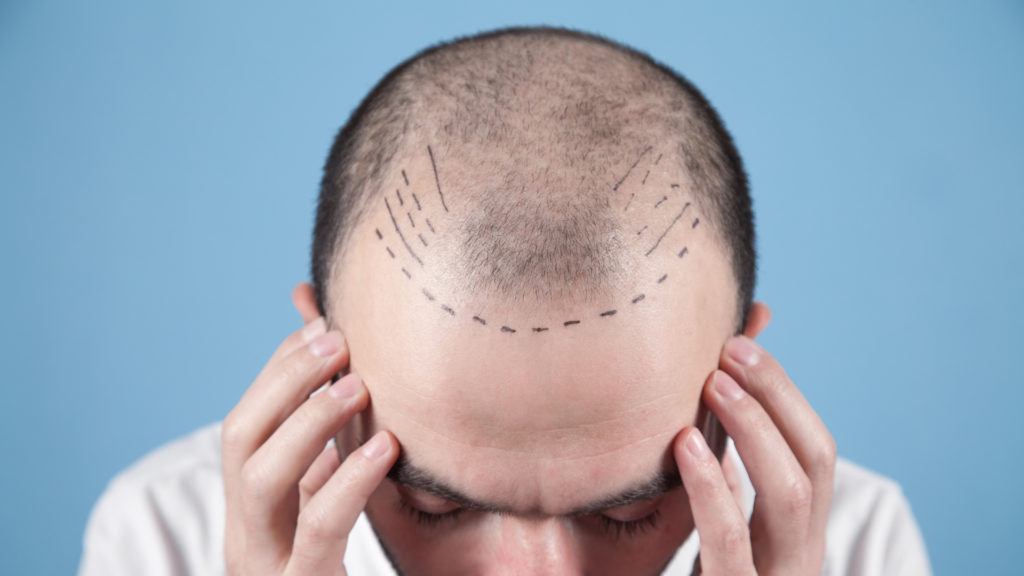
The hair transplant procedure typically takes several hours to complete, depending on the extent of the transplantation. The surgeon will administer local anesthesia to ensure your comfort throughout the process. They will then extract hair follicles from the donor area and carefully transplant them into the recipient area, following a strategic plan to achieve natural-looking results.
After the procedure, it’s normal to experience some swelling, redness, and minor discomfort in the scalp. Your surgeon will provide you with post-operative instructions. It’s crucial to follow these instructions diligently to optimize the healing process and ensure the success of the transplantation.
Results and Expectations
Hair transplantation is a gradual process, and setting realistic expectations is essential. The transplanted hair will initially shed within a few weeks, but this is a normal part of the process. New hair growth should start within a few months, and it may take up to a year for the full results to appear.
Patience is vital in hair transplantation, as the outcome can significantly enhance your appearance and self-confidence.
Considerations and Risks
While hair transplantation is generally safe and effective, like any surgical procedure, it does carry some risks. It’s crucial to discuss these risks with your hair transplant specialist and address any concerns you may have.
Some potential risks include infection, scarring, unnatural-looking results, and the possibility of additional procedures being needed in the future.
Closing Words
If you’re considering hair transplantation, it’s essential to educate yourself about the procedure, consult with a qualified specialist, and set realistic expectations. Hair transplantation, when performed by a skilled professional, can be a life-changing solution.
Remember, successful outcomes require patience and adherence to post-operative care instructions.


