
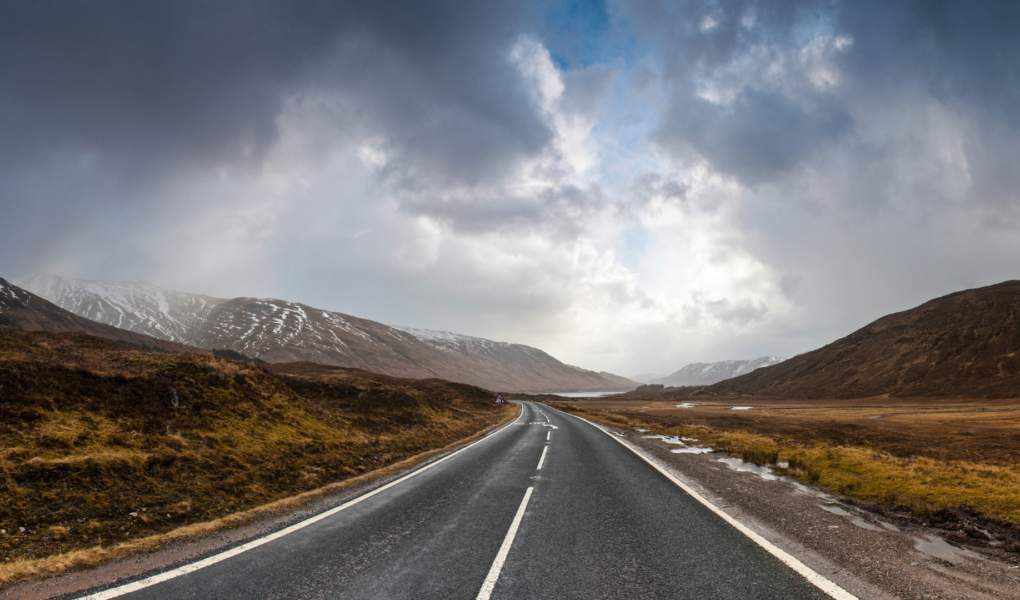
There has never been more incentive for drivers to be mindful of their use of fuel. With petrol and diesel prices rocketing and the UK government committing to go all-electric with net zero emissions by 2050, British drivers have been forced to re-think the way they use the roads. Luckily, you can significantly reduce your usage of fuel with a few simple changes to your everyday driving behaviour:
Plan journeys around fuel efficiency
Whether it’s changing the route of your daily commute or taking the road-less-travelled to see your family during the festive period, try to plan every journey with fuel efficiency in mind. Failing to plan can leave you more vulnerable to traffic jams, excessively long journeys and delays on the road – make use of sat-nav technology and live traffic updates to avoid obstructions and congestion. Using the average mile-per-gallon (mpg) of your car, you should be able to easily calculate the fuel consumption of the vehicle – if you’re still using a vehicle that is not fuel-efficient, consider swapping it out or replacing it with a newer model.
Take it easy on the accelerator
While it may be tempting to put your foot down on the open road, try to go easy on the accelerator pedal. Simply put, faster driving consumes more fuel, so try to reduce your speed and always stick to the limit.

Remove excess weight from the boot
It’s normal for your car to be filled up with clutter, especially if you’re going on a road trip or you drive as part of your job. However, the weight of your car can directly affect fuel consumption, which means that filling your boot with junk could leave you paying more at the pump. When packing for long trips or work projects, try to limit the weight in the car and only take the bare essentials.
Make sure your tyres are at the correct pressure
Because underinflated tyres generate more rolling resistance, your car’s engine will have to work harder to go forward, consuming more fuel in the process. Ensure that your tyres are pumped up to the correct pressure as outlined in your vehicle handbook – this will not only save you money in fuel costs, but it will also improve your car’s braking performance whilst reducing the frequency with which you’ll have to replace its tyres. If you drive an older car with poorly performing tyres, consider leasing a vehicle to make savings in fuel costs and stay safe on the roads.
Turn off the aircon
While it may be easier said than done in the summer months, reducing your use of aircon is a guaranteed way to save energy and fuel. This is because your car’s aircon is often one of the features that consume the most energy and battery life. Just make sure that you crank up the aircon every once in a while to reduce mould, dampness and cracking in the vehicle.
Use gears properly
When driving on the road, be mindful of the way you use gears – changing gears too rapidly or at the incorrect time can eat up fuel and put pressure on your car’s throttle. Consider gear-shifting (skipping gears in a sequence) or making use of an automatic gear-shift indicator to optimise these changes and reduce your use of fuel.


