
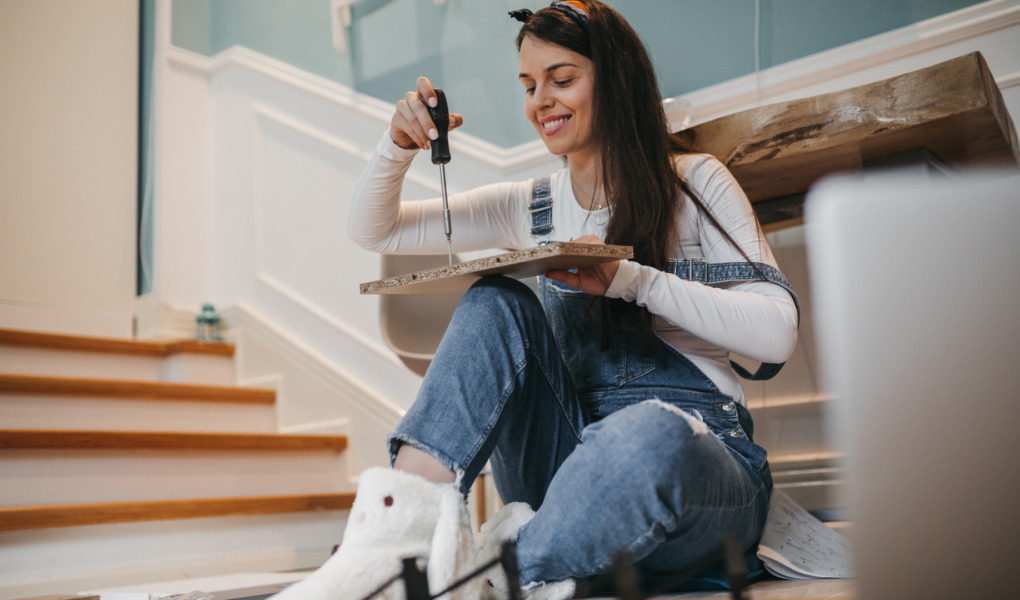
The UK has always been a nation of keen DIYers but since the pandemic, which saw DIY activities increase by 50%, it seems that more of us than ever are giving it a go. So, if you are fancying trying it out here are a few things you should know.
Get Inspired
Getting into DIY not only saves you money but allows you to create your dream space. You can get inspiration from anywhere but a few good places to start are home décor stores such as IKEA and The Range. Social media also has an abundance of home décor inspiration and on sites like Pinterest, you can create a ‘board’ and pin photos of rooms that you love which can inspire your home makeover including style, plants and furniture choices.
Follow Instructions
There are so many tasks that you can DIY and even if you have done something similar before, you should be sure to follow all the instructions given to you, whether online or in a booklet. If you are unsure you may look to hire a consultant to give you some DIY tips and advice. This will ensure that you are staying as safe as possible when working in your home.
However, some mistakes are unavoidable, for example, a tool malfunction during use which causes an injury. If this happens to you, you may have a case for a personal injury claim against the manufacturer, which could help you recoup costs that may incur such as time off work.
PPE
Personal protective equipment is very important when doing DIY and there are many types that you can pick up from your local hardware store or online that are essential for keeping you safe.
Of course, the PPE you need is dependent on the type of DIY that you are doing. If you are doing some sanding or any other activity that involves particles like dust or mould being released into the air, you should be wearing a respirator. Safety goggles are also important to protect your eyes from debris that could cause injury and even blindness. If your DIY project involves heavy objects, steel-capped boots are great for protecting your feet from any objects being dropped and causing injury.
Plan
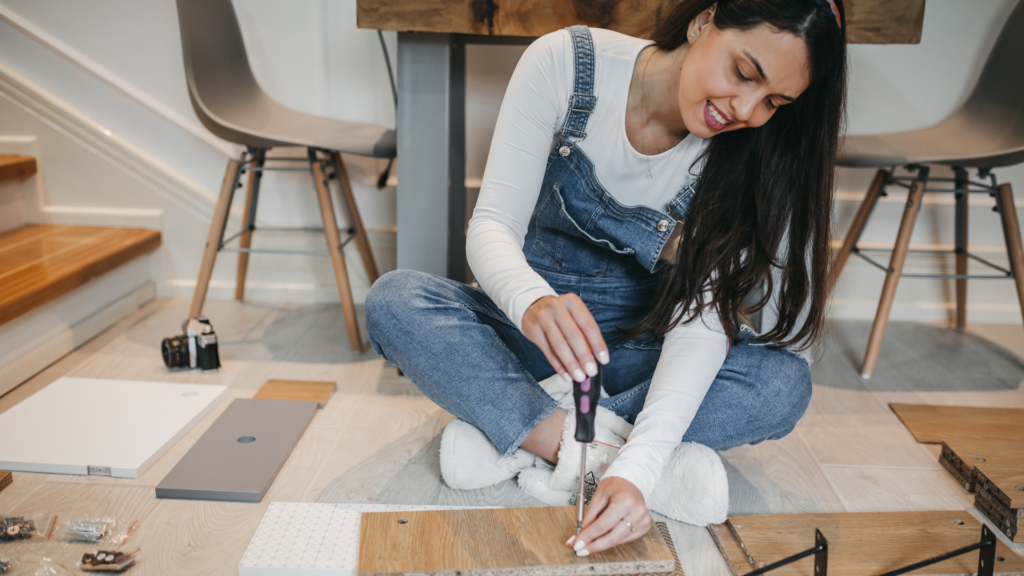
From accounting for extra materials to enlisting the help of friends and family for bigger projects, planning is a great way to ensure that your DIY project goes smoothly.
You should also plan for the tools that you require for the job. For bigger tools that you might use as a one-off, it may be more cost-effective to borrow from friends or hire from stores local to you. For tools that you will use again, especially if you are considering continuing your DIY journey, these are probably worth investing, in such as drills, multi-tools and screwdrivers.


